The boxes are packed. The new address is official. Or maybe it’s a different school, a new classroom, or an unfamiliar hallway. Whatever the change looks like, supporting your children with their new routine takes a lot of time and patience. Kids don’t always have the words for what they’re feeling. But their behavior, sleep patterns, and moods often say plenty. Having a few practical tools ready, along with knowing when to lean on a professional, helps everyone settle into the new normal a bit easier.
Why Transitions Hit Kids Hard
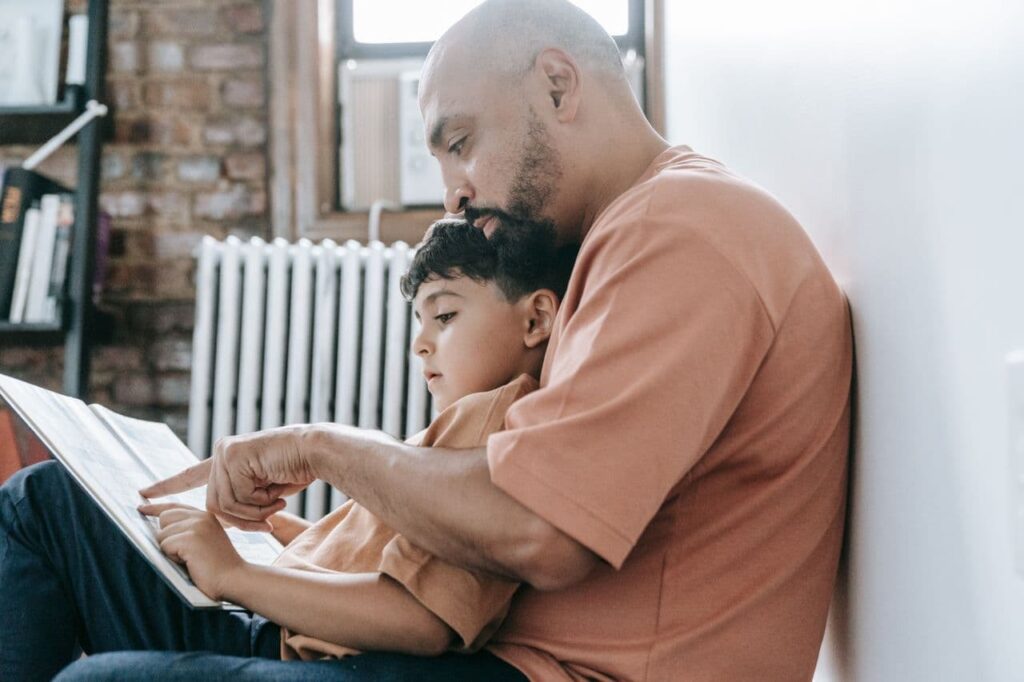
Children thrive on predictability. When routines change, even positive ones can trigger real distress. A new school means new teachers, new social dynamics, and a new version of themselves to figure out. A big move can mean leaving behind friends and the comforting sameness of a known world.
This distress is a normal response to uncertainty. Still, some kids struggle more than others. Signs that your child may need extra support include:
- Increased clinginess or separation anxiety
- Sleep disruptions or frequent stomachaches
- Withdrawal from activities they used to enjoy
- Heightened irritability or emotional outbursts
- Reluctance to talk about the new school or home
If these behaviors persist beyond a few weeks, child anxiety therapy may be worth exploring.
What Parents Can Do Right Now
It’s an old adage, but it doesn’t make it any less true: you can’t pour from an empty cup. When you manage your own stress around a move or other big changes, your children feel it. Kids are remarkably tuned in to parental emotion, even when you think you’re hiding it well.
Beyond your own regulation, here are some practical ways you can support your child:
- Acknowledge their feelings without minimizing them. Resist the urge to say, “It’ll be fine!” Let them tell you what feels difficult.
- Create new routines quickly. Familiar rituals, like Friday movie nights or Sunday pancakes, anchor kids when everything else feels different.
- Give them a sense of control. Let them choose how to decorate their new room, or pick an extracurricular at the new school.
- Keep communication open and low-pressure. Car rides and walks are often better for big conversations. Face-to-face sit-downs can be intimidating for children.
- Stay connected to what was left behind. Video calls with old friends, letters, or planned visits can ease the grief of goodbye.
When Worry Doesn’t Settle Down
Most children adjust within a few weeks. But for some, anxiety therapy becomes a necessary tool to get over the hurdle of change.
Anxiety in children is often expressed as physical complaints, avoidance, or constant reassurance-seeking. When a child can’t stop worrying, dreads leaving the house, or shuts down at the thought of making new friends, it may be time to call in a professional. Support from a therapist can offer concrete strategies to help them work through those feelings.
Anxiety therapy, particularly cognitive behavioral approaches, helps children identify distorted thinking patterns. It also helps build coping skills and gradually helps them face what scares them. It’s structured, goal-oriented, and often a shorter-term approach.
Parent coaching can run alongside a child’s therapy, or stand on its own. It helps parents respond to anxious behavior in ways that soothe rather than reinforce fears. Many parents find that changing their approach creates a noticeable difference in their child’s confidence.
Getting an Outside Perspective Can Help
Supporting your children through transitions is hard work. Doing it well takes patience, presence, and sometimes an outside perspective. A therapist can provide practical tools to handle anxiety and help your family adapt. You don’t have to guess your way through this change.
Let’s work together to make the transition smoother. Reach out to learn how child anxiety therapy and parent coaching can help your family settle into your new routine.