Your family background shapes you in ways you may not even realize, leaving an invisible imprint on how you connect with others. From communication styles to attachment issues, those childhood experiences are still pulling the strings.
Maybe you set high standards because your parents modeled respect. Or maybe you struggle to communicate needs due to childhood experiences. Whether positive or negative, these influences are undeniable. Understanding your family history can help you recognize patterns and make conscious choices in your current relationships.
The Link Between Childhood Relationships and Adult Attachment Styles
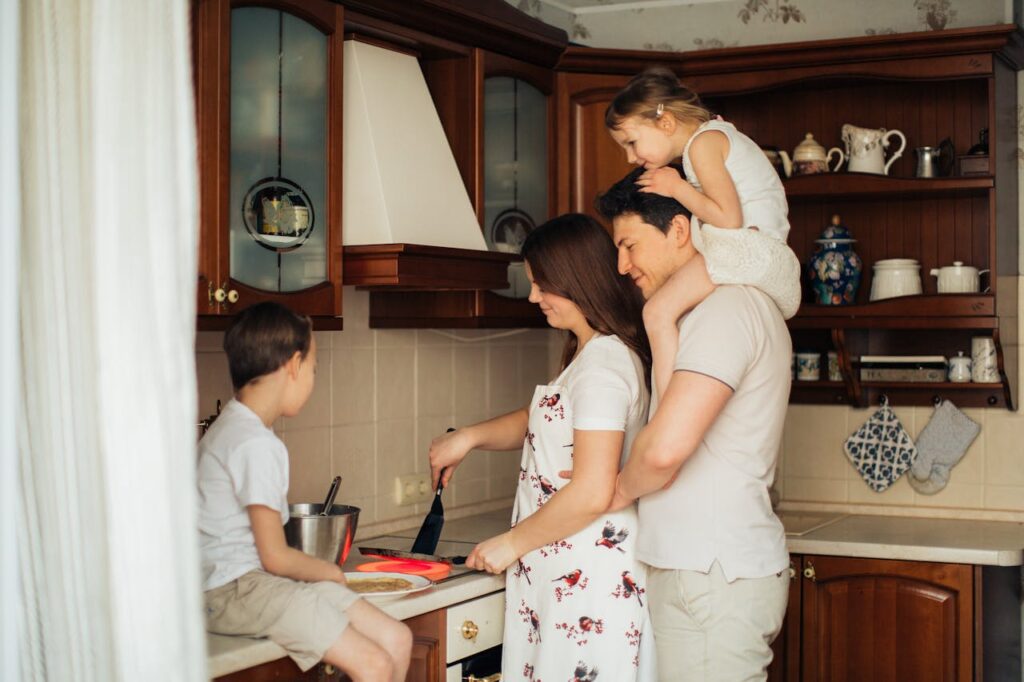
Your early family experiences shape how you connect with others as an adult. The bonds you formed with caregivers in childhood often set the template for your romantic relationships. If you had secure, loving attachments growing up, you’re more likely to create healthy partnerships. On the flip side, difficult childhood relationships can lead to insecure attachment patterns that impact how you relate to partners today. Here is more.
Your Attachment Style
Your attachment style, shaped by early caregivers, profoundly impacts your relationships. There are four main types: secure, anxious, avoidant, and anxious-avoidant. If you’re avoidant, you might struggle with intimacy. Anxious? You may doubt your partner’s love. Anxious-avoidant? You could be grappling with past trauma. Understanding your style is the first step to healthier connections. Remember, your attachment style isn’t set in stone — with awareness and effort, you can cultivate more secure relationships.
Your Communication Style
Have you ever caught yourself sounding just like your parents during an argument? It’s no coincidence. As children, we absorb our parents’ communication patterns like sponges. These ingrained habits can resurface in our adult relationships, for better or worse. You might unknowingly replicate these harmful patterns if your parents frequently used criticism or insults. Recognizing these inherited communication styles is the first step towards breaking the cycle and fostering healthier relationships.
The Qualities You Seek in a Partner
Ever noticed a pattern in your dating history? You might be subconsciously drawn to partners who remind you of your family. Whether it’s similar looks, hobbies, or communication styles, we often seek out the familiar. This tendency stems from our upbringing, where we first learned about relationships. By understanding this connection, you can gain insight into your preferences and make more informed choices in your romantic life.
Assigned Gender Roles
Growing up, you may have absorbed certain gender-based expectations from your family. These can shape your views on who should handle domestic chores, childcare, or be the breadwinner. You might have preconceived notions about your partner’s ideal job or appearance. However, these internalized roles can clash with reality, your partner’s aspirations, or your own abilities. Recognizing and challenging these assumptions is crucial to building healthier, more equitable relationships.
Expressions of Love
Have you ever wondered why you feel most loved when your partner brings you small gifts, while they seem to crave affirmation? How you receive and give love is shaped by your earliest experiences. These preferences often stem from childhood, mirroring how our parents expressed affection. A hug might make your day, while your partner needs quality time with you over a home-cooked meal after a rough day in the office. Understanding your expressions of love can illuminate how your family background shapes your current relationships.
Your family background significantly shapes your relationships today, whether you realize it or not. Are you worried that your family history might be casting a shadow over your current relationships? Don’t let the past dictate your future. Take the first step towards healthier connections today. I’m here to help you unpack those family patterns, build self-awareness, and develop stronger bonds. Together, we can break negative cycles and create the loving relationships you deserve. Book your free 15-minute consultation for relationship therapy today to get started.