If you’ve been searching for practical tips to stop procrastinating, you’re already doing something right. Most people know what they need to do. The problem is actually doing it. Procrastination isn’t laziness. It isn’t a character flaw. It’s a habit, and like any habit, it can be changed.
Whether you’re putting off a tough conversation, a work deadline, or a personal goal, the pattern tends to look the same. Breaking down why you put things off and how to stop doing it is how you finally change your daily habits.
Why Do People Procrastinate?
Before you can stop putting things off, it helps to know what’s driving the delay. Procrastination is often rooted in our emotions, not our time management skills. Common triggers may include:
- Fear of failure or not doing something perfectly
- Feeling overwhelmed by the size of a task
- Low motivation for tasks that feel meaningless
- Anxiety about outcomes you can’t control
- Mental fatigue or decision exhaustion
When a task feels threatening, the brain starts looking for relief. Avoidance provides that relief, at least temporarily. Over time, that pattern of avoidance becomes automatic.
Break Tasks Down to Their Smallest Parts
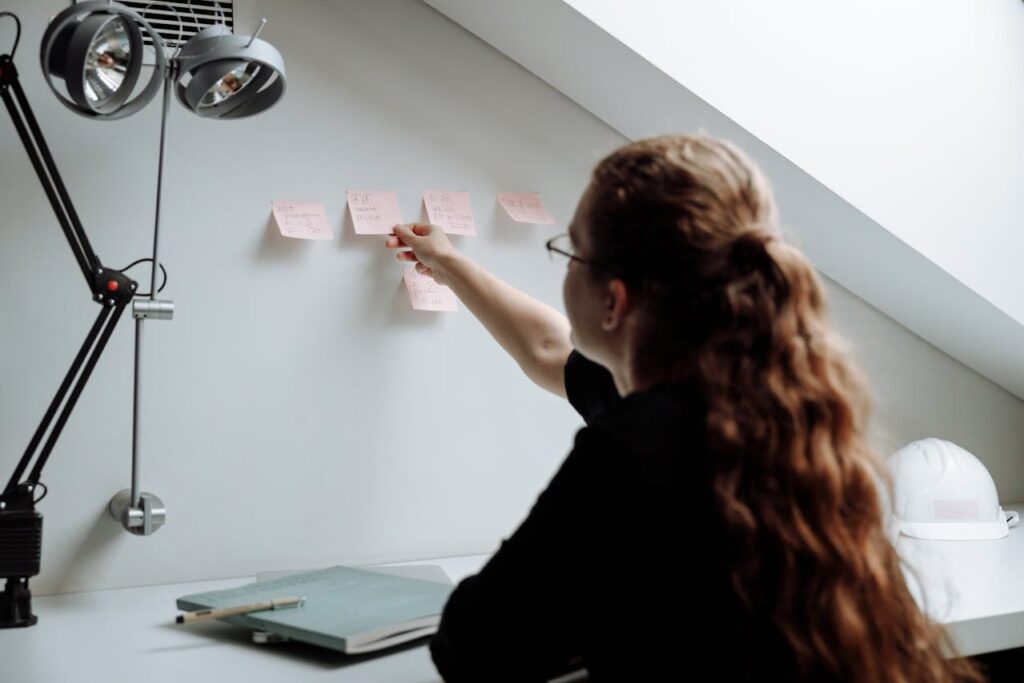
One of the most effective practical tips for stopping procrastination is also one of the simplest: make the task smaller. Big goals can feel paralyzing. “Write the report” is vague and heavy. “Write the opening paragraph” is manageable.
When you break a task into its smallest possible steps, you lower the mental barrier to starting. And starting is usually the hardest part. Once you begin, momentum tends to carry you forward.
Try this: Write down the next three physical actions required to move a task forward. Not outcomes. Actions. Then do just the first one.
Use Time Limits to Your Advantage
Open-ended work tends to drag on. However, if you define a window, it creates urgency and focus.
The Pomodoro Technique is a well-known approach: work for 25 minutes, then take a 5-minute break. Repeat. Knowing there’s an endpoint makes starting feel less daunting.
You don’t have to follow any specific system. Even telling yourself “I’ll work on this for 15 minutes” can shift your mindset. This will help you stop putting things off the instant they show up.
Address the Emotions Behind the Avoidance
If procrastination is emotional at its core, practical strategies will only get you so far. You also need to address the feelings beneath the surface. Ask yourself what the task actually brings up for you:
- Does it make you feel exposed or judged?
- Is it tied to something you’re grieving or dreading?
- Does it conflict with your values or what you really want?
Sitting with those answers honestly, without judgment, can loosen the hold procrastination has on you. Sometimes, what looks like laziness is actually fear that needs attention.
Build in Accountability
Telling someone else about your intentions raises the stakes in a useful way. A friend, a colleague, or a therapist can serve as an accountability partner.
This works because humans are social. We tend to follow through more reliably when someone else knows our plan. You don’t need a formal arrangement. A simple text saying “I’m going to finish this by Thursday” can be enough.
When Procrastination Becomes a Bigger Problem
Chronic procrastination can be a sign of underlying anxiety, depression, or even ADHD. If you’ve tried practical tips to stop procrastinating and still find yourself stuck in the same loop, that’s worth checking into.
If procrastination is keeping you down, reach out to me for support. Anxiety counseling may help you identify what’s keeping you stuck and help build strategies that actually fit your lifestyle.