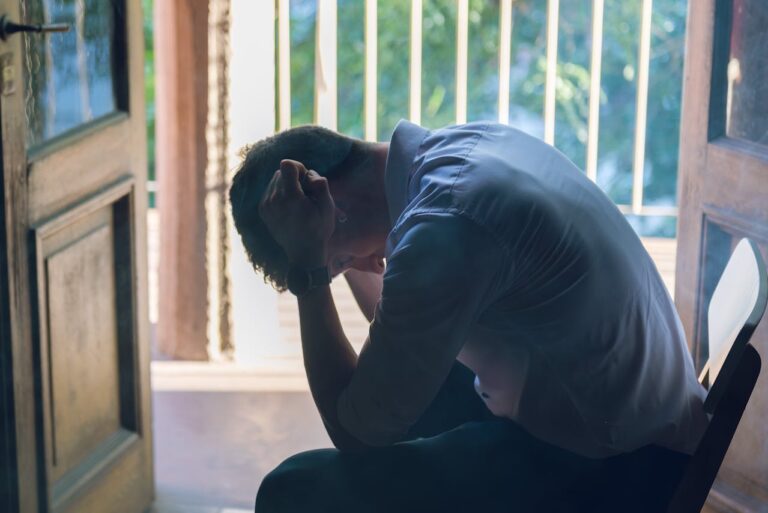
What Does Grief Feel Like? Understanding the Emotional Experience of Loss
It can feel impossible to describe the hollow ache of a loss. However, grief therapy offers a place to process heavy, complicated emotions that leave you feeling drained.
80 University Place Suite 2i, New York, NY 10011, 212-243-0707
It can feel impossible to describe the hollow ache of a loss. However, grief therapy offers a place to process heavy, complicated emotions that leave you feeling drained.
Substance abuse in the United States affects tens of millions of people across every age group, income level, and background. Yet stigma and misinformation often keep people from seeking help.
Living with clinical depression often means navigating a world that feels inexplicably heavy and gray. You might find tasks that others consider simple now feel like climbing a mountain without any gear.
Most people expect that once they decide to face their emotional pain, relief will follow quickly. But for many, the opposite happens first.
Feeling the need for grief therapy often begins in silence, questioning why the pain feels so sharp at night. During the day, you have work, errands, emails, and a busy role that keeps shadows at bay.
Seasonal depression turns the environment into a biological obstacle. As the earth’s tilt reduces sunlight, the body’s internal clock desynchronizes, triggering a physiological slowdown.
Divorce, for some, involves a profound loss, often compared to experiencing a death. Even if you initiated the separation, the depth of grief can catch you off guard.
Traumatic grief is a profound, overwhelming response to a loss that happens suddenly or under shocking circumstances. Whether it is the unexpected death of a loved one or a horrifying diagnosis, traumatic loss leaves people struggling.
Living with ADHD presents real challenges. Difficulty maintaining focus, managing time, and staying organized can significantly impact work, school, and relationships.
A person’s relationship with substances often starts subtly as a way to unwind, a social habit, or an escape from stress. But for some, the line between casual use and dependency blurs until it disappears entirely.